A Peptide Encoded by Mitochondrial DNA MOTS-c is a 16-amino acid peptide encoded not by the nuclear genome but by mitochondrial DNA
The goal of therapy for some guys is to thin the hair out, rather than to remove all the hair, and that can be effectively achieved with fewer treatments of laser hair removal
|S1| Neurobion Tablets

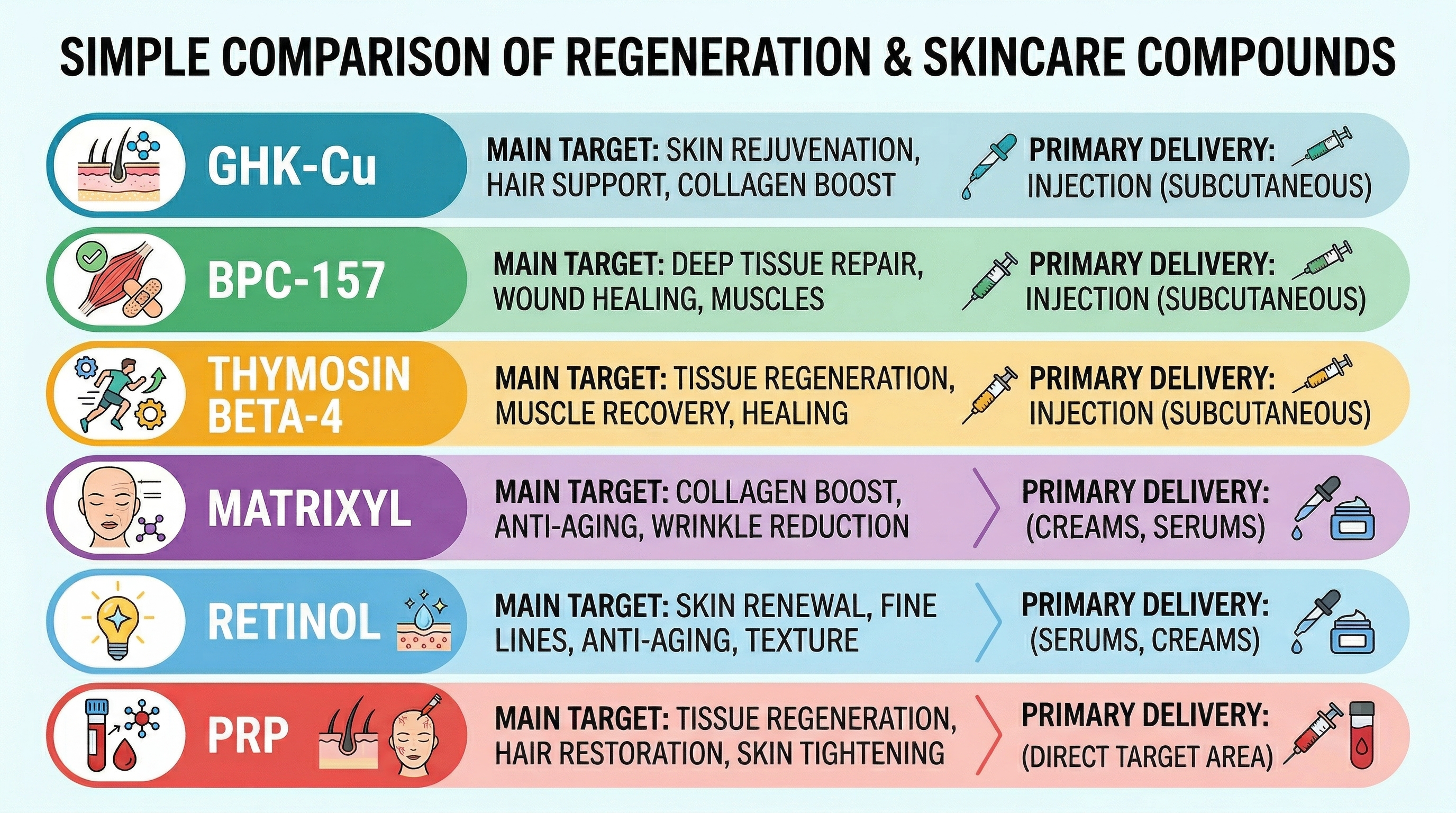
GHK-Cu published research history: - First isolated and characterized: 1973 - Continuous peer-reviewed publication: 50+ years - Published research covering: wound healing, skin biology, COPD, oxidative stress, bone, skeletal muscle, gastrointestinal, neurological, gene expression, aging - Mechanistic characterization: Multiple pathways identified, SIRT1 direct binding confirmed in 2025 - Cell and animal model validation: Extensive across multiple tissue types and species Matrixyl 3000 (palmitoyl tripeptide-1 + palmitoyl tetrapeptide-7) research: - Commercial introduction: Early 2000s - Research base: Primarily cosmetic science and dermatology literature - Mechanistic characterization: Primarily focused on TGF-beta receptor and IL-6 pathways - Depth: Narrower tissue focus, smaller body of published mechanistic research For researchers who need a compound with extensive published mechanistic context, detailed gene expression data, or research across multiple tissue types, GHK-Cu's research depth is substantially greater