Mechanisms of Action Both peptides influence key metabolic pathways, including: Appetite regulation Satiety-signal intensity Feeding-drive behavior Gastric-emptying patterns Long-term energy balance Cagrilintide Mechanism Summary Broad activation across amylin and calcitonin receptor families Robust satiety effects due to multi-site signaling Strong fit for extended metabolic and appetite-regulation protocols Eloralintide Mechanism Summary Selective AMY1 receptor activation More focused signaling profile High-impact performance across long-term studies Side-by-Side Comparison Why These Peptides Are Frequently Compared Both peptides attract significant attention due to: Their strong influence on satiety pathways Clear reductions in feeding-drive behavior High stability in weekly-administered research models Their value in studying long-term metabolic outcomes Their differing receptor-activation patterns, allowing nuanced comparison Eloralintides high-dose results are particularly notable, while Cagrilintide remains a go-to option for stable, predictable satiety-pattern modeling
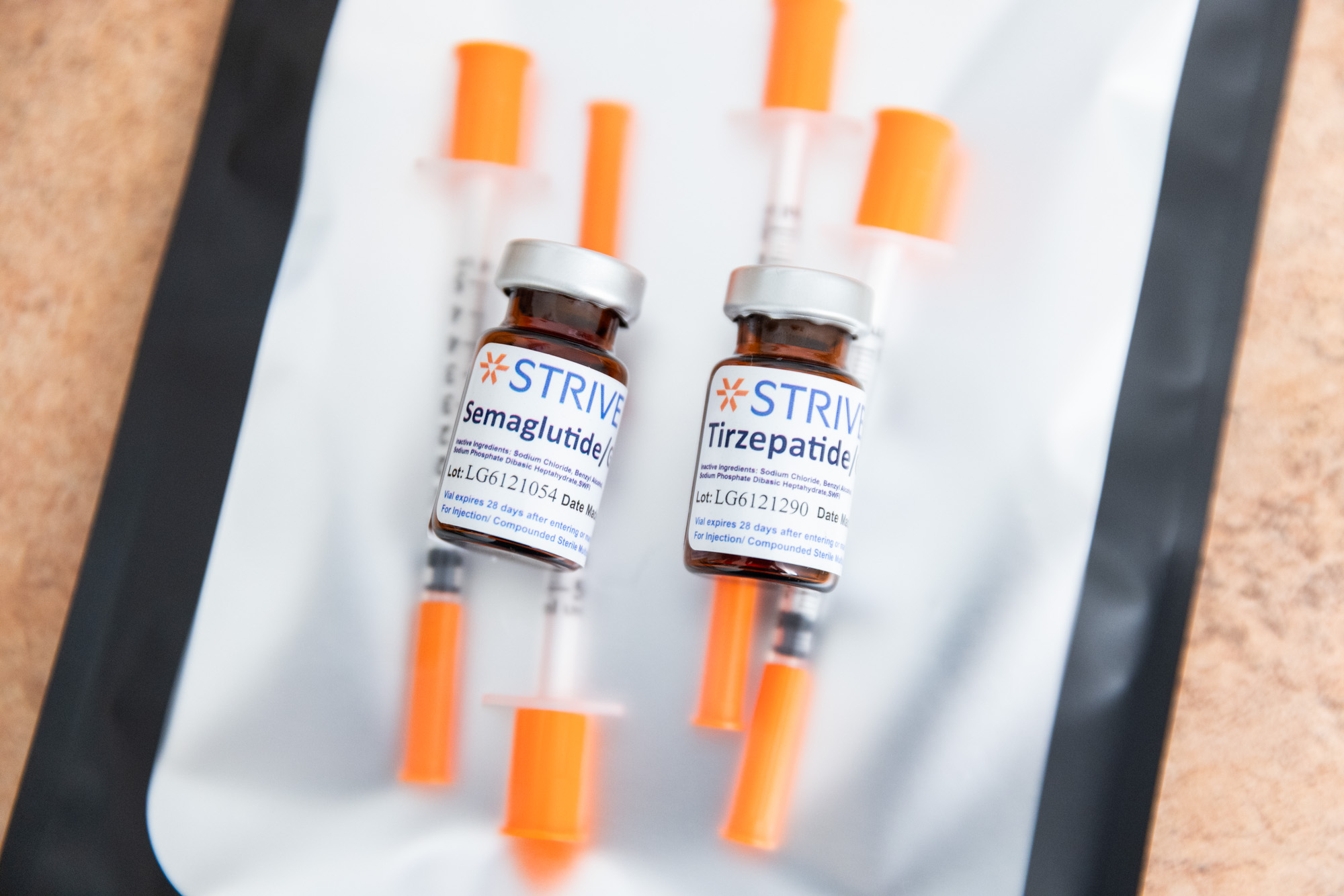
In addition, other patient-specific treatment strategies tailoring the use of GLP-1 RAs and other options to the HF phenotype and stage are likely also valuable to study and validate
Hypotensive events in the study included dizziness, fainting, falls, low blood pressure diagnoses, very low systolic blood pressure readings and prescriptions for medications used to treat low blood pressure
American Academy of Family Physicians: Plantar Fasciitis American College of Foot and Ankle Surgeons: Plantar Fasciitis Justin Laube, MD Medical Reviewer Justin Laube, MD, is a dual board-certified integrative and internal medicine physician, retreat leader, and healing educator with over 15 years of experience caring for patients w