You should also speak to your GP if you experience: Persistent low mood, sadness, or feelings of hopelessness lasting more than two weeks (in line with NICE guideline NG222: Depression in adults) Loss of interest or pleasure in activities you previously enjoyed Changes in sleep patterns, appetite (beyond the expected effects of the medication), or energy levels Increased anxiety, irritability, or emotional instability Any thoughts of self-harm or suicide in this case, seek urgent help immediately If you are in crisis or need urgent mental health support: Call 999 or go to your nearest A&E if you or someone else is in immediate danger Call NHS 111 (available 24 hours a day) and select the mental health option to be connected to a local urgent mental health service [12] Contact the Samaritans on 116 123 (free, 24/7) When speaking to your GP, be clear and specific
[DOI] [PMC free article] [PubMed] [Google Scholar] 22.Ferguson D., Finck B.N
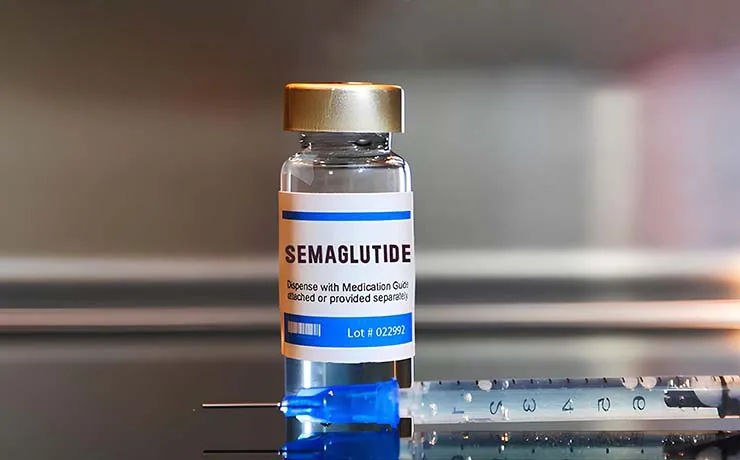
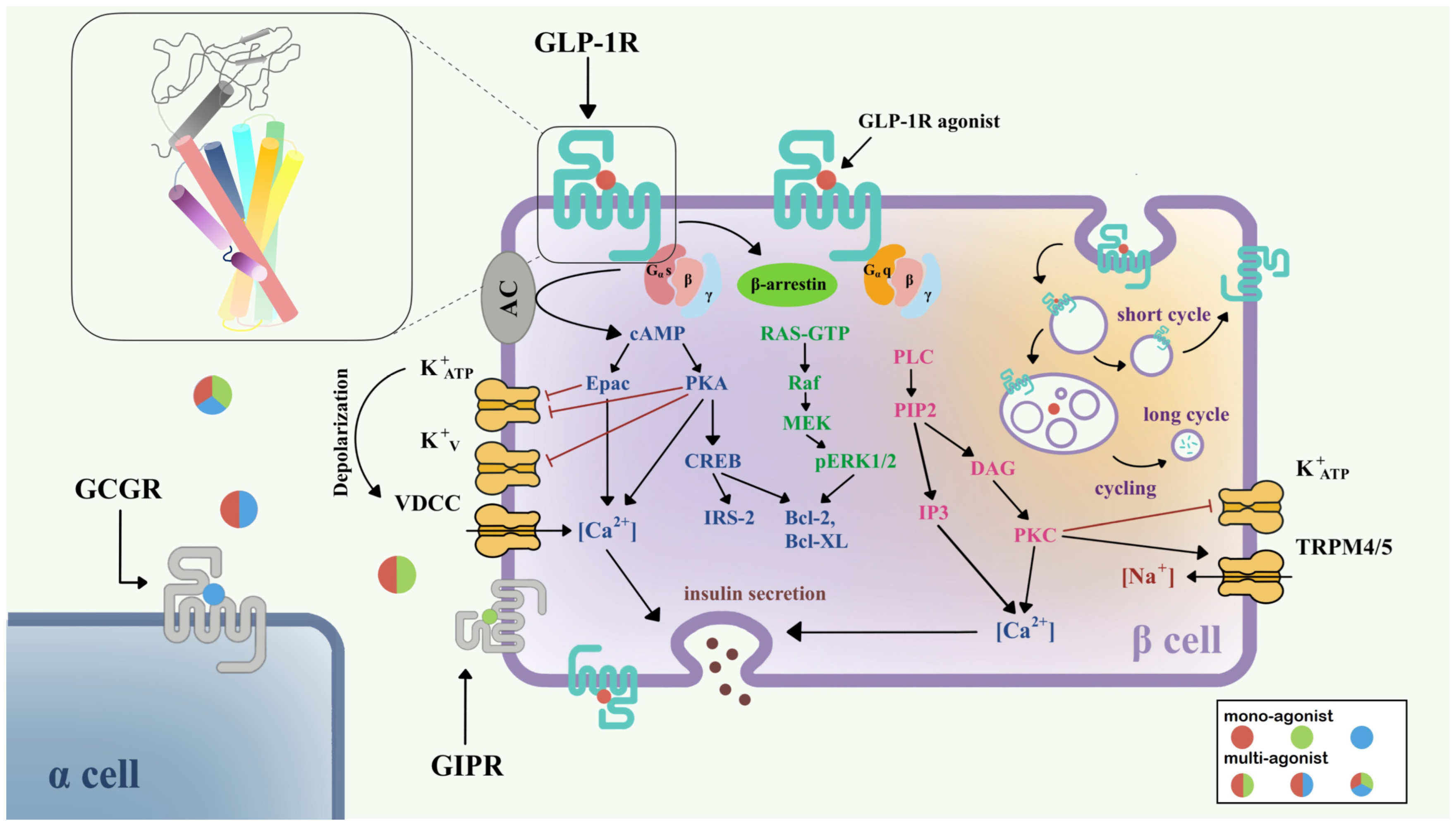
Semaglutide base binds to and activates GLP-1 receptors in the pancreas and brain, triggering glucose-dependent insulin secretion, suppressing glucagon release, slowing gastric emptying, and promoting a sustained feeling of fullness
This ongoing cycle of damage contributes to further development of the disease, activating previously dormant hepatic stellate cells and initiating a fibrogenic state [23, 24]













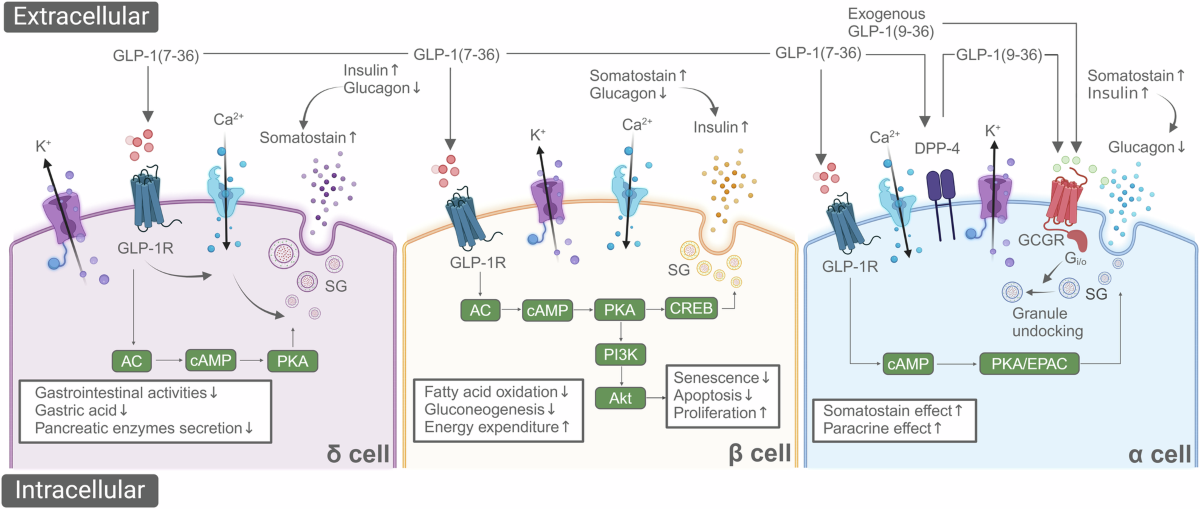


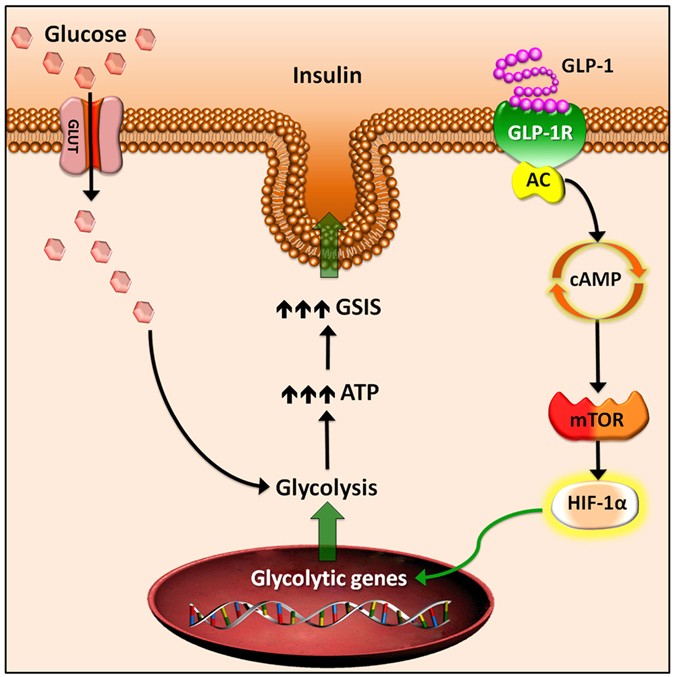


![Mechanism of action of GLP-1 [25]](https://www.researchgate.net/publication/256289222/figure/fig1/AS:614177232142337@1523442671231/Mechanism-of-action-of-GLP-1-25.png)


